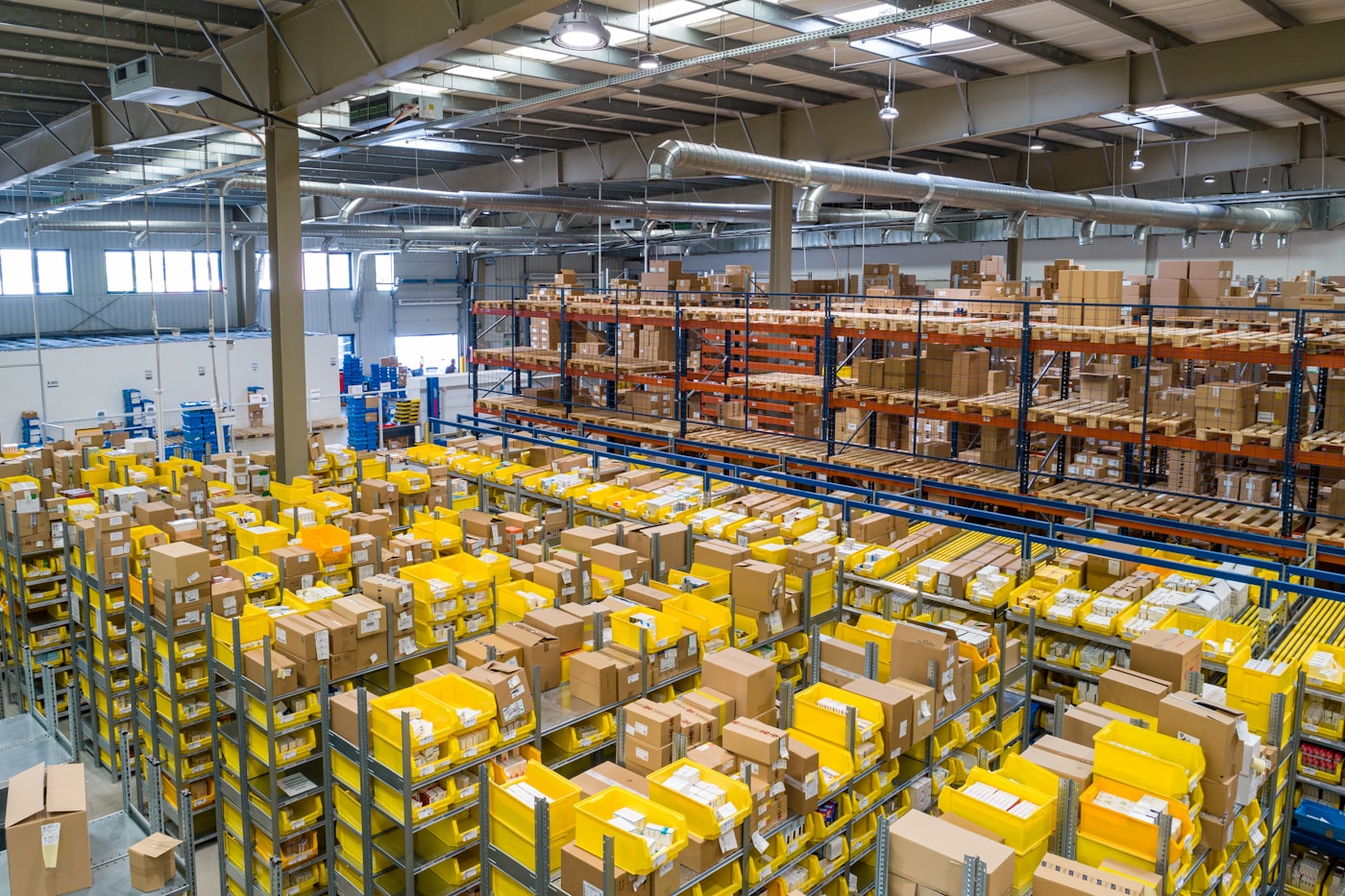
Use this cargo service bur dubai to saudi arabia page to brief our Dubai desk. We collect across the Emirates, check labels and carton strength, and plan delivery into Saudi Arabia around the next practical departure — not a promised miracle date. WhatsApp +971 58 936 0016 with photos if you want the quote to match the warehouse scale.
Pickup coverage and how this quote is built
Pricing for cargo service bur dubai to saudi arabia on this host is built from chargeable weight, packing labour, and the delivery style in Saudi Arabia — door, warehouse, or terminal. We do not hide clearance as a surprise add-on; if a category needs extra permits, that is flagged before you pay.
After dispatch you receive WhatsApp milestones from the same desk that took the booking. That is the operational difference visitors on cargoservicedubai.com should expect.
How Cargo Service Dubai handles this lane day to day
This host is the pickup desk view of cargo service bur dubai to saudi arabia. We collect across Dubai, Sharjah, Ajman, and Abu Dhabi, then match the load to the next practical departure toward Saudi Arabia.
Every consignment we dispatch from Bur Dubai gets its file built and checked before loading. Fixing a mismatched invoice in our office costs ten minutes; fixing it while your goods sit at the Al Batha crossing costs a day or more.
What you send us versus what the truck needs
If you already have export papers, send scans with the booking. If you do not, the desk drafts the invoice and packing list from your photos so the file is complete before wheels move.
- Commercial invoice stating goods, quantities, and true values
- Packing list itemising every carton and its contents
- Consignee details: full name, address with district, working phone
- Importer registration for commercial receivers in Saudi Arabia
- Certificate of origin where preferential duty treatment applies
- Category certificates — SABER conformity, SFDA registration — for regulated goods
Individuals shipping personal effects swap the commercial invoice for a valued inventory and an ID copy. We prepare both formats daily and will tell you exactly which applies to your case.
3. Regulated goods: the categories that need extra steps
A lot of what trades through Bur Dubai falls into regulated categories on the Saudi side. Perfumes and cosmetics touch SFDA rules; mobile accessories and electronics can require conformity certification; foodstuffs need ingredient documentation. None of these are barriers — they are checklists, and they only cause trouble when discovered late.
Perfumes & cosmetics
SFDA-relevant items screened at booking so approvals travel with the goods, not behind them.
Electronics & accessories
Conformity requirements checked per product line before the trailer is booked.
Food products
Labels, shelf-life, and ingredient documents verified against Saudi import standards.
Practical tip: send us clear photos of your product labels with your enquiry. Most regulated-goods questions — ingredients, certifications, Arabic labelling — can be answered from the label before a single carton is packed.
4. How clearance actually flows at the border
Your goods exit the UAE at Al Ghuwaifat, where the export declaration is processed, then enter Saudi jurisdiction at Al Batha. Saudi customs reviews the manifest against the documents, applies any duty and VAT, and may select the trailer for scanning or physical inspection. With a consistent, complete file, most consignments clear without the shipper ever hearing about this stage — which is precisely the goal.
When a query does arise, our clearance agents respond at the border directly. That is the practical difference between a freight company with a documentation desk and a man with a van who "knows the route".
5. What your receiver in Saudi Arabia must handle
Receiver duties are the most overlooked part of the chain. Commercial consignees need active import registration and may need to authorise clearance or settle duties before release. Individual receivers mostly need to answer the phone and provide an ID copy. Either way, we brief the Saudi side at dispatch so their part is done before the truck arrives, not after it starts waiting.
| Receiver type | Needed for clearance | Needed at delivery |
|---|---|---|
| Business / importer | Import registration, VAT number, duty settlement | Staff to count and sign |
| Individual | ID copy on request | Availability during the agreed window |
| Project site | Consignee company authorisation | Site access and offloading slot |
6. Collection from the heart of old Dubai
Our pickup vehicles work Bur Dubai's streets daily and know the practical realities — loading restrictions near the textile souk, parking around Al Fahidi metro, service lanes behind Khalid Bin Al Waleed Road. Collections run from shops, storage units, and apartments across Al Mankhool, Al Raffa, Oud Metha, and Karama, with evening slots for traders who cannot pause daytime business.
From pickup, goods consolidate with other Saudi-bound freight and dispatch on the next scheduled departure — typically delivering across the Kingdom within the 3–7 working day window once clearance completes.
7. Start with a document check, not a truck booking
Send us your goods list and destination first. We will confirm what paperwork your specific cargo needs, quote the full door-to-door job, and only then schedule collection. It is a small reordering of the usual process that removes almost every cause of border delay.
Ship from Bur Dubai with the paperwork done right
Message your goods list and destination — we confirm documents, price, and pickup within hours.
Request your quote
"My textile shipments from Meena Bazaar used to get stuck at the border every second trip. Since they took over my paperwork, twelve consignments to Riyadh, zero holds."
Rashid, fabric wholesaler, Meena Bazaar"I ship perfume stock to a distributor in Jeddah and had no idea SFDA rules applied to my products. They sorted the registrations before the first box left Al Mankhool."
Salma, fragrance trader, Bur Dubai"Sent my late father's belongings from our Karama flat to family in Dammam. They handled the personal-effects declaration respectfully and everything arrived within the week."
Joseph, long-time Karama residentFrequently asked questions
What should I send to get a firm Cargo Service Dubai rate?
A photo of the packed goods, carton or pallet count, approximate kg, the UAE pickup area, and the delivery suburb in Saudi Arabia. With that, the desk can confirm groupage versus dedicated space and whether packing is extra. Vague descriptions produce estimates that change at the warehouse scale.
What decides the price of a shipment on this route?
Volume and weight lead, followed by the clearance complexity of your goods — regulated categories carry extra certification work — plus packing scope and the Saudi destination city. Shared-trailer space keeps smaller loads economical. A goods list with rough dimensions gets you a firm figure in one reply.
Do you collect only from Bur Dubai?
Bur Dubai and its surrounds — Meena Bazaar, Al Fahidi, Al Mankhool, Al Raffa, Karama, Oud Metha — are our daily beat, but pickups run across all of Dubai and the wider UAE. Trader-friendly evening collections are available where daytime loading is impractical on busy souk streets.
Which goods are banned or restricted for Saudi Arabia?
Prohibited outright: alcohol, pork, narcotics, gambling items, and offensive media. Restricted but shippable with approvals: medicines, cosmetics, telecom devices, food, and certain chemicals. Because Bur Dubai trade covers many of these categories, we screen every goods list at booking and flag anything needing permits.
Can you prepare the customs documents for me?
Yes — that is the core of this service. From your goods details we draft or verify the invoice, packing list, and declarations, arrange SABER or origin certificates where required, and lodge everything with the border file. You supply accurate information; the formatting and filing are on us.
How should I declare value, and is insurance worth it?
Declare what the goods genuinely cost or are worth — Saudi customs compares declared values against market norms, and lowballing invites reassessment plus penalties. Insurance is priced as a small percentage of that declared value and, for trade stock you cannot afford to lose, is easily justified.